Where Seven Nations Meet in the Dust — Mountain Gorilla Rally 2026 and the Power of African Grassroots Motorsport | World Stage Journal
RALLY🇷🇼2026-07-14
Where Seven Nations Meet in the Dust — Mountain Gorilla Rally 2026 and the Power of African Grassroots Motorsport
World Stage Journal
ARC Round 4, Rwanda. Karan Patel / Tauseef Khan take overall victory. India's Naveen Puligilla dominates ARC3 with 12 stage wins. Seven nations, a bank sponsor, and a motorsport culture the WRC calendar never shows.
Rwanda's Bugesera district hosted Round 4 of the FIA African Rally Championship from July 10 to 12, 2026. Seventeen crews from eight nations — Rwanda, Kenya, Uganda, Tanzania, Burundi, Zimbabwe, Denmark, and India — contested 18 special stages across 307.52 competitive kilometres at speeds approaching 170 km/h. Far from the grandstands of the WRC calendar, this is a motorsport culture that grows from the gravel up.
Overall victory went to Karan Patel and Tauseef Khan of Kenya, aboard a Skoda Fabia Rally2. The pair, who have competed together for over a decade, mastered the Bugesera gravel to claim the top step. Ahmed Huwel of Tanzania finished second overall, with Aakif Virani of Kenya third.
In the ARC3 class, Naveen Puligilla and Musa Sherif of Team Duran Racing — Puligilla hailing from Hyderabad, Sherif from Kasaragod — won 12 of the 18 stages to take class honours and finish fourth overall. Their performance underlined the growing presence of South Asian drivers in African championship rallying.
BPR Bank Rwanda served as title sponsor with a reported investment of Rwf 150 million (approximately JPY 16.5 million), alongside co-sponsor Engen Rwanda. In the ARC standings, Karan Patel leads the championship heading into the second half of the season.
SUBSCRIBER EXCLUSIVE
Subscriber Only: Deep Dive
■ Bugesera's Gravel — The Stage Rwanda Built
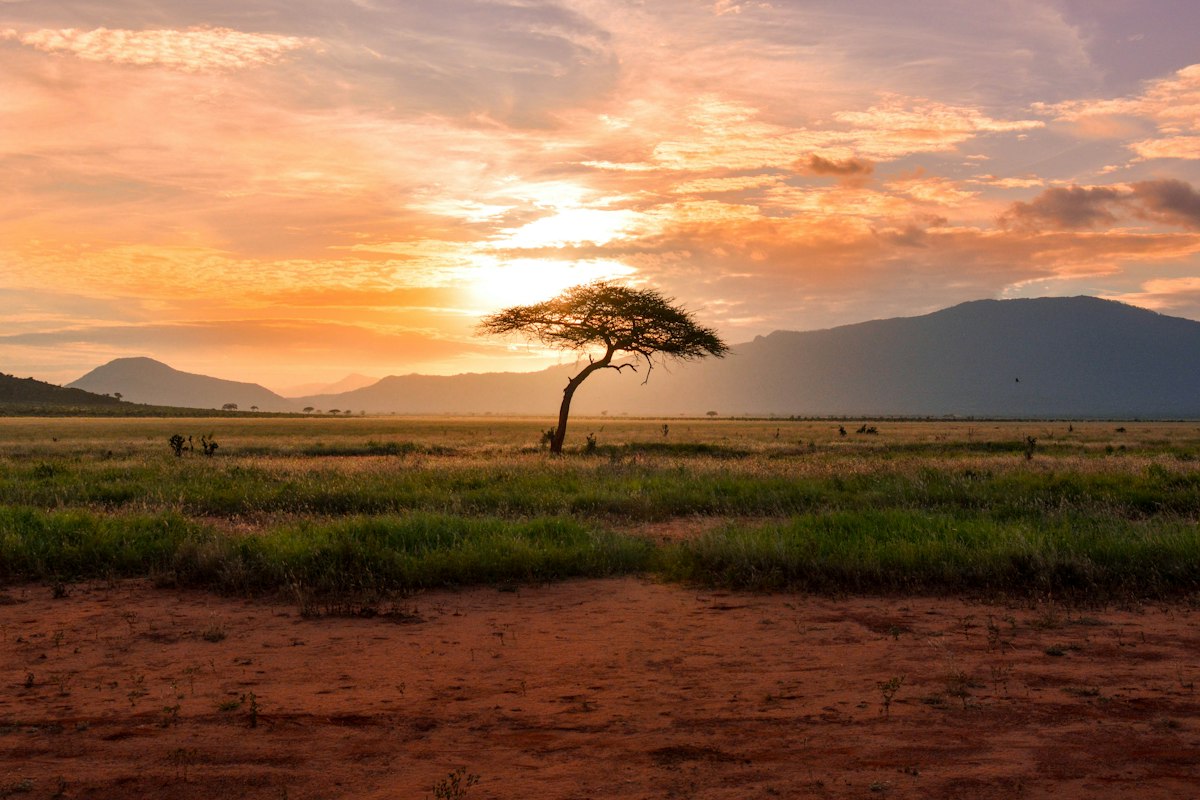
The Bugesera district lies roughly 40 kilometres southeast of Kigali, in a rolling landscape connected to the Lake Victoria watershed. The gravel surface — a mixture of red laterite and loose stone — is characteristic of East African rally roads in July: dry on top following the end of the long rains, but retaining moisture below, so that tires dig into the soil the moment the car's weight loads them. This creates a tactile quality that experienced drivers learn to read and exploit.
The 18 stages across 307.52 competitive kilometres brought speeds approaching 170 km/h. That is not a figure that needs apologizing for compared with any tier of international rallying. What differs from a WRC event is the preparation: stones are not cleared with the thoroughness of a Safari Rally, unexpected ruts appear mid-stage, and the road surface changes character from one pass to the next. What the Bugesera stages demanded was the ability to read terrain in real time. Spectators stood on the road edges and received the full blast of dust. There are no grandstands. That is not a deficiency. It is the original form.
Sponsored ColumnDM11 Holdings
This column space is a paid placement for sponsor companies. Exposure across all WSJ articles, distributed in 20 languages worldwide.
■ Karan Patel and Tauseef Khan — What a Decade Together Means
Karan Patel and Tauseef Khan have been a crew for more than ten years. Patel, the driver, is a Kenyan of Indian descent based in Nairobi. Khan, the co-driver, shares the same background. Together they have been consistent ARC frontrunners, arriving in Rwanda with 83 points and the championship lead after Round 3, the Pearl of Africa Uganda Rally.
Their strength in Bugesera was adaptation speed. The gravel did not behave uniformly across 18 stages: conditions evolved, lines changed, moisture moved through the surface. The pair refined their pace notes through the opening stages and elevated their accuracy through the second half of the event. The margin they built at the finish was not luck — it was the product of ten-plus years of shared language between driver and co-driver. When Patel needed to extend pace, Khan's calls were already calibrated to the surface they had just completed. That depth of communication is an advantage that cannot be bought by switching co-drivers mid-season.
For Patel, leading the ARC standings into the second half of the season means this victory carries weight beyond points. It establishes him as the driver to beat in a championship that remains one of the most genuinely contested on the African continent.
■ Naveen Puligilla — Standing at the Intersection of Asia and Africa
Naveen Puligilla, from Hyderabad in India, won 12 of the 18 stages in the ARC3 class and finished fourth overall alongside co-driver Musa Sherif from Kasaragod, competing under the Team Duran Racing banner. Within the ARC3 category, their dominance was complete.
The question of why an Indian driver competes in an African championship has a structural answer. Rally sport in India has grown in recent years, but the opportunities to compete on FIA-sanctioned gravel events at full speed and over meaningful distances remain limited. The ARC fills that gap. Gravel skills honed in East Africa translate into competitive currency on the world stage — there is no more efficient school for a driver who wants to progress beyond domestic competition.
The ARC has a long history of participation by South Asian competitors with East African roots. The communities of Kenyan and Ugandan Indians who have preserved motorsport as a cultural inheritance are precisely the demographic from which Patel and many of his rivals come. That Puligilla — based in India rather than East Africa — can arrive in Rwanda and immediately contest for stage wins speaks to how genuinely open this championship is. The presence of a Danish crew in the same entry list makes the same point from a different direction: the Mountain Gorilla Rally draws competitors for whom the drive itself is the reason, not the camera time.
■ Why a Bank Sponsors Rally Racing
BPR Bank Rwanda — formerly Banque Populaire du Rwanda — served as title sponsor of this event with a reported investment of Rwf 150 million (approximately JPY 16.5 million). Engen Rwanda co-sponsored. For a domestic championship at the regional level, these are substantial figures.
The logic behind a bank choosing a rally as its flagship sponsorship platform is more coherent than it might initially appear. BPR Bank's target customer is the Rwandan middle-income and upper-income bracket. The Mountain Gorilla Rally's audience — at the roadside, on social media, and through ARC's East African media footprint — maps closely to that demographic. Beyond Rwanda's borders, ARC coverage reaches the broader East African and Indian Ocean region, giving BPR's brand regional visibility that conventional advertising cannot replicate for the same investment.
What a bank buys with a motorsport sponsorship in this context is not product placement. It is an association with aspiration, precision, and local excellence — values that transfer to financial services branding. The Engen co-sponsorship adds the dimension of petroleum retail, a sector whose customer touchpoints align naturally with motorists and motoring culture. The pairing of a bank and a fuel company as co-sponsors around a rally event reflects an understanding of what rally audiences represent as consumers.
This mirrors the logic of corporate sponsorship in Japanese Dirt Trial. Regional businesses that back drivers in the All-Japan championship are not buying television inventory. They are demonstrating community engagement through motorsport. Whether in Rwanda or in Japan, the underlying principle is the same: a brand that moves with people builds trust that a billboard cannot.
■ African Gravel and Japanese Dirt Trial — The Shared Soul of Grassroots Motorsport
The Mountain Gorilla Rally and the All-Japan Dirt Trial Championship appear, on the surface, to be entirely different competitions. Rally runs for three days across hundreds of kilometres; Dirt Trial is decided in a single run of one to two minutes. The machinery differs, the geography differs, the calendar differs.
But below those differences, the same thing is happening. Both disciplines use natural terrain rather than purpose-built facilities. Both are organized by regional motorsport communities rather than global entertainment corporations. Spectators watch from the roadside or the hillside — not from behind barriers. Local businesses provide the sponsorship that makes the budget work. The prize funds would not sustain a professional team for long.
What sustains these competitions is the competitors themselves. The 17 crews who came to Bugesera from eight countries did not come for broadcast rights revenue. They came because gravel roads demand honest driving, because the car cannot be managed by strategy alone, and because there is a particular satisfaction in finishing a stage in a country not your own having given everything on a surface that was new to you the day before. The Dirt Trial driver who has prepared for a single run for weeks, who steps to the line knowing there is no second attempt, knows the same feeling by a different name.
If the WRC is the showcase of what motorsport can be, the ARC and the All-Japan Dirt Trial Championship are where the sport still grows from the ground. World Stage Journal records these events because the ground is where the sport lives.
The 49th South India Rally, held April 17–19 at Madras International Circuit outside Chennai, served…